


Traditional keyword research methods are failing marketers in 2025. While you’re manually sifting through thousands of search terms, your competitors are leveraging artificial intelligence to uncover high-converting keywords you’re missing entirely. AI-driven keyword research has transformed how successful businesses identify buyer-intent keywords, semantic clusters, and emerging search opportunities.
The landscape has shifted dramatically. According to recent data, 58% of informational search queries now trigger AI overviews, fundamentally changing how users interact with search results. Meanwhile, 75% of marketers are using AI to reduce time spent on manual tasks like keyword research, giving them a competitive advantage over those still relying on outdated methods.
This comprehensive guide reveals how AI-powered tools can revolutionize your keyword strategy, helping you discover high-intent keywords that convert visitors into customers while dramatically reducing research time.
Understanding AI-Driven Keyword Research
What Makes AI Keyword Research Different
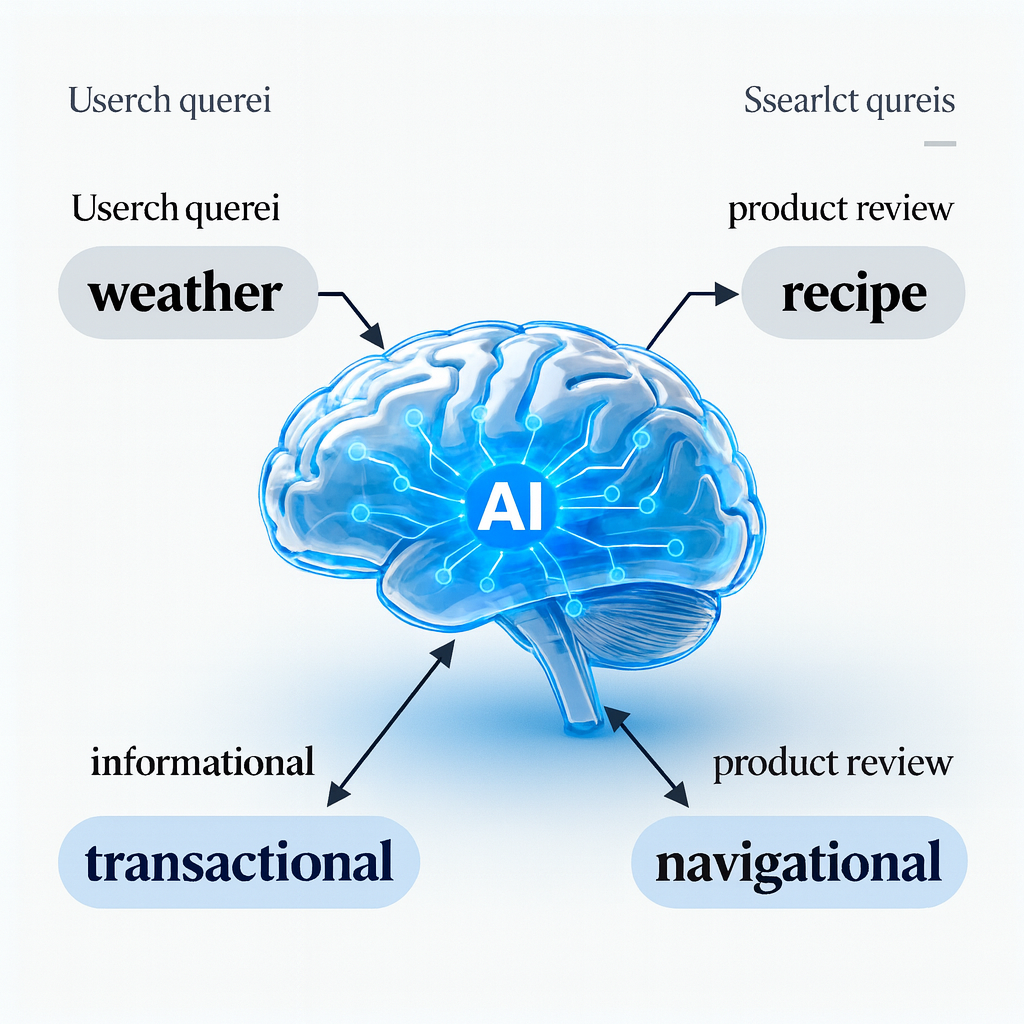
AI-driven keyword research goes far beyond traditional volume and competition metrics. Unlike conventional tools that simply match keywords to search data, AI systems use natural language processing (NLP) and machine learning algorithms to understand search intent, identify semantic relationships, and predict keyword performance.
Modern AI keyword tools analyze massive datasets in seconds, processing information from search engines, social media platforms, competitor websites, and user behavior patterns. This comprehensive analysis reveals hidden patterns and relationships between keywords that human researchers would never discover manually.
The key differentiators include:
- Speed and Scale: AI can analyze thousands of keywords in seconds versus hours of manual research
- Intent Analysis: Advanced algorithms determine whether searchers are ready to buy or just browsing
- Semantic Understanding: AI identifies related terms and concepts that traditional tools miss
- Predictive Capabilities: Machine learning forecasts which keywords will grow in importance
The Science Behind AI Keyword Analysis
AI keyword research leverages several cutting-edge technologies working together. Natural language processing helps AI understand the contextual meaning behind search queries, while machine learning algorithms identify patterns in user behavior that indicate purchase intent.
The process typically involves:
- Data Collection: AI systems gather information from multiple sources including search engines, social platforms, and competitor analysis
- Semantic Analysis: NLP algorithms understand relationships between words and concepts
- Intent Classification: Machine learning models categorize keywords by user intent (informational, commercial, transactional)
- Performance Prediction: AI forecasts keyword difficulty and potential traffic based on historical patterns
The Power of High-Intent Keywords
Defining High-Intent Keywords
High-intent keywords are search terms that indicate a user’s strong readiness to take a specific action, whether making a purchase, booking a service, or requesting information. These keywords represent the holy grail of search marketing because they target users who are primed to convert.
Research shows that high-intent keywords typically have conversion rates 4.1 times higher than general informational terms. This dramatic difference occurs because users searching with commercial or transactional intent have already moved through the awareness and consideration phases of the buyer’s journey.
Categories of High-Intent Keywords
Understanding the spectrum of buyer intent helps prioritize your keyword strategy:
Transactional Keywords signal immediate purchase readiness:
- “buy [product]”
- “[product] coupon”
- “order [service] online”
- “[brand] discount code”
Commercial Investigation Keywords indicate comparison shopping:
- “best [product] 2025”
- “[product] review”
- “[product] vs [competitor]”
- “cheapest [service]”
Local Intent Keywords show geographic urgency:
- “[service] near me”
- “[product] [city]”
- “local [business type]”
Studies reveal that branded keywords represent prime examples of high-intent searches, as users searching for specific brands or products are typically further along in their decision-making process.
AI Tools Revolutionizing Keyword Research
Leading AI-Powered Platforms
The keyword research landscape has been transformed by AI-enhanced tools that offer unprecedented insights and automation capabilities.
Semrush leads the pack with AI integration across its entire platform. The Keyword Magic Tool now uses AI to provide personalized insights based on your domain’s ranking potential, helping identify terms you’re most likely to rank for successfully. Their AI-powered features include semantic clustering, intent analysis, and predictive keyword forecasting.
Ahrefs has enhanced its keyword research with machine learning algorithms that provide more nuanced keyword difficulty scores. Their Content Explorer tool uses AI to analyze massive amounts of content data, helping identify high-performing topics without traditional keyword research.
Surfer SEO excels at AI-powered content optimization, using natural language processing to understand semantic relationships between keywords and suggesting related terms that improve topical authority.
Specialized AI Keyword Tools
Beyond traditional SEO platforms, specialized AI tools are emerging specifically for keyword research:
Copy.ai‘s Keyword Generator provides AI-generated keyword suggestions with matching content prompts, ideal for content creators who need both keywords and ideas simultaneously.
RyRob’s Keyword Tool focuses specifically on helping bloggers find low-competition keywords using AI analysis of search volume patterns and competitive landscapes.
ChatGPT with structured prompts has become surprisingly effective for keyword brainstorming. Advanced users report generating 53% unique keyword ideas not found in conventional tools by using specific prompt templates for audience intent analysis.
Advanced AI Keyword Research Techniques
Semantic Clustering and Topic Modeling
AI-powered semantic clustering represents one of the most significant advances in keyword research. Instead of targeting individual keywords, modern SEO focuses on topic clusters that demonstrate comprehensive expertise.
Semantic clustering tools group related keywords based on meaning rather than literal word matching. This approach helps create content that satisfies multiple related search intents within a single piece, improving both user experience and search engine rankings.
The process involves:
- Seed Keyword Analysis: Starting with primary terms related to your business
- Semantic Expansion: Using AI to identify conceptually related terms and phrases
- Intent Mapping: Categorizing clusters by user intent and buyer journey stage
- Content Planning: Developing comprehensive content that addresses entire topic clusters
Competitor Intelligence Through AI
AI-powered competitive analysis reveals keyword opportunities your competitors are targeting successfully. Modern AI tools can analyze competitor content structure, identify their highest-performing keywords, and suggest gaps in your current strategy.
Key competitive intelligence techniques include:
- Keyword Gap Analysis: Identifying high-value terms competitors rank for that you don’t target
- Content Performance Analysis: Understanding which competitor content formats perform best for specific keywords
- Ranking Pattern Recognition: Using machine learning to identify why competitors succeed with certain terms
Voice Search and Conversational Queries
With 90% of voice searchers finding it easier than typing, optimizing for conversational queries has become essential. AI tools excel at identifying natural language patterns and question-based keywords that traditional research methods miss.
Voice search optimization involves targeting:
- Question-based keywords (“How do I…”, “What is the best…”)
- Conversational long-tail phrases that mirror natural speech patterns
- Local intent queries which dominate voice search behavior
Measuring Intent and Commercial Value
AI-Powered Intent Classification
Modern AI systems can automatically classify keywords by search intent with remarkable accuracy. Machine learning algorithms analyze multiple signals including SERP features, user behavior patterns, and content types to determine whether searchers have informational, commercial, or transactional intent.
This automated classification helps prioritize keywords based on their likelihood to drive conversions rather than just traffic volume.
Commercial Value Assessment
AI tools now provide sophisticated metrics for evaluating keyword commercial potential beyond traditional cost-per-click data. Advanced platforms consider factors like conversion probability, customer lifetime value potential, and competitive difficulty specific to your domain authority.
Key metrics to evaluate include:
- Conversion Likelihood Score: AI-predicted probability of search-to-sale conversion
- Competitive Feasibility: Machine learning assessment of ranking difficulty for your specific site
- Traffic Quality Index: Combined metric considering both volume and commercial intent
The Future of AI in Keyword Research
Emerging Technologies and Trends
The keyword research landscape continues evolving rapidly. Predictive AI systems are now forecasting keyword trends months in advance, allowing businesses to create content for emerging opportunities before competitors discover them.
Natural language processing advances are enabling better understanding of user context and situational intent. Future AI tools will likely provide real-time keyword suggestions based on current events, seasonal trends, and market conditions.
Preparing for AI Overviews Impact
With AI Overviews now appearing in 47% of Google search results, keyword strategy must adapt to this new landscape. Research shows that informational queries are most affected, with 59% triggering AI Overviews.
Successful keyword strategies now require:
- Optimizing for AI Overview inclusion through clear, authoritative content
- Targeting question-based keywords that AI systems frequently cite
- Creating comprehensive, expert-level content that demonstrates E-E-A-T signals
Implementing Your AI-Driven Strategy
Getting Started with AI Keyword Research
Begin by selecting appropriate AI-powered tools based on your specific needs and budget. Most successful implementations combine multiple tools: AI platforms for discovery, traditional tools for validation, and specialized tools for specific use cases.
Step-by-Step Implementation Process:
- Define your target audience and their pain points clearly
- Use AI tools to generate seed keywords from your core topics
- Analyze semantic clusters to understand related concepts
- Classify keywords by intent using AI-powered analysis
- Prioritize based on commercial value and ranking feasibility
- Create comprehensive content targeting entire topic clusters
- Monitor and refine using performance data
Integration with Existing SEO Workflows
Successfully implementing AI-driven keyword research requires integration with existing SEO processes. The most effective approach combines AI efficiency with human strategic thinking.
Best practices include:
- Using AI for initial keyword discovery while applying human judgment for final selection
- Leveraging automation for data collection but maintaining manual oversight for quality control
- Implementing AI insights gradually rather than completely overhauling existing successful strategies
FAQ Section
How accurate is AI-driven keyword research compared to traditional methods?
AI-driven keyword research typically provides higher accuracy for intent classification and semantic relationships. Studies show AI tools can identify 53% more relevant keyword opportunities compared to traditional manual research methods.
What’s the main advantage of using AI for finding high-intent keywords?
AI excels at analyzing user behavior patterns and contextual signals to identify keywords where searchers are most likely to convert, resulting in significantly higher conversion rates and better ROI from SEO efforts.
Can small businesses benefit from AI keyword research tools?
Yes, many AI-powered keyword tools offer affordable options starting under $30/month. Free tools like Google’s AI suggestions and ChatGPT-based research can also provide significant value for smaller budgets.
How has AI Overviews changed keyword research strategy?
With AI Overviews appearing in nearly half of search results, keyword strategy now focuses more on creating authoritative, comprehensive content that AI systems cite as sources rather than just ranking for individual terms.
What types of keywords work best with AI research tools?
AI tools excel with long-tail, conversational, and semantic keyword variations. They’re particularly effective for identifying question-based keywords and understanding the full context around user search intent.
How often should I update my AI-driven keyword strategy?
Given the rapid evolution of AI search features, review your keyword strategy monthly for trending opportunities and quarterly for comprehensive strategic adjustments based on performance data.
Do I need technical expertise to use AI keyword research tools?
Most modern AI keyword tools are designed for non-technical users with intuitive interfaces. However, understanding SEO fundamentals and search intent concepts will help you make better strategic decisions with the data.
Conclusion
AI-driven keyword research represents the most significant advancement in SEO strategy since the introduction of search engines themselves. By leveraging machine learning algorithms, natural language processing, and predictive analytics, businesses can now identify high-intent keywords with unprecedented precision and speed.
The data clearly shows the competitive advantage of AI adoption: 75% of marketers using AI for keyword research are saving significant time while improving results. Meanwhile, businesses focusing on high-intent keywords achieve 4.1 times better conversion rates compared to those targeting general informational terms.
Success in 2025’s search landscape requires embracing AI-powered tools while maintaining strategic human oversight. The businesses that combine AI efficiency with human creativity and market understanding will dominate search results in their industries.
Start implementing AI-driven keyword research today by selecting appropriate tools for your budget and needs. Begin with semantic clustering around your core topics, prioritize high-intent opportunities, and create comprehensive content that demonstrates expertise and authority in your field.