

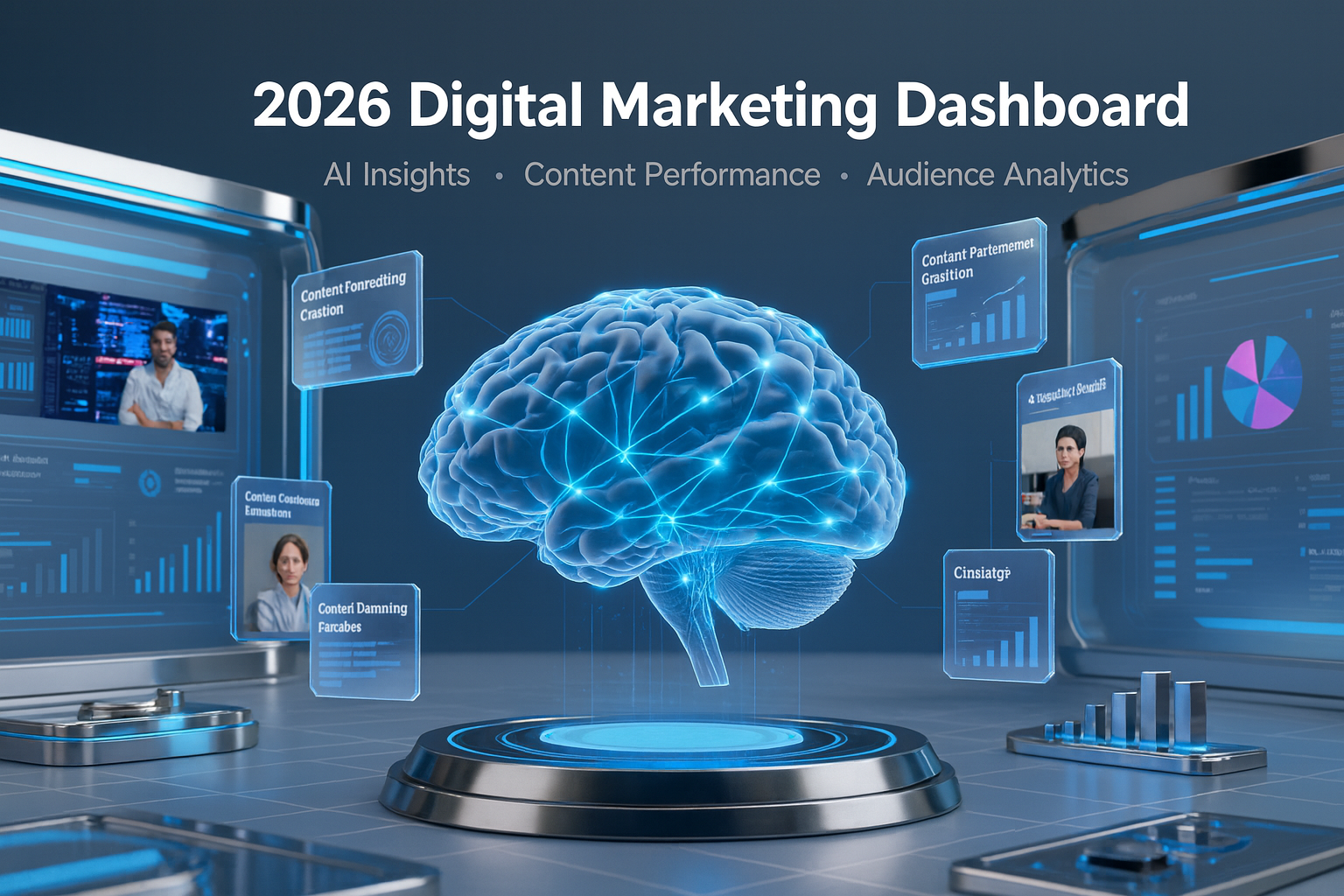
The artificial intelligence revolution is reshaping content creation and digital marketing at unprecedented speed. As we approach 2026, AI content trends are evolving from experimental tools to essential business strategies that will define competitive advantage. Understanding these trends isn’t just about staying current – it’s about positioning your brand for the massive transformation ahead.
With the global generative AI market projected to reach $66.62 billion by 2025 and potentially $1.3 trillion by 2032, businesses that embrace these AI content trends today will lead tomorrow’s digital landscape. This comprehensive guide explores the top 10 AI content trends for 2026 that will revolutionize how we create, distribute, and optimize content across all digital channels.
1. Agentic AI Systems Transform Content Workflows

Agentic AI represents the biggest paradigm shift in content creation for 2026. Unlike traditional AI tools that respond to commands, agentic AI systems can set goals, plan multi-step workflows, and execute complex content strategies with minimal human oversight.
These autonomous systems will manage entire content operations, from ideation to distribution. Marketing teams will deploy AI agents that can research trending topics, create content calendars, generate multi-format assets, and optimize performance based on real-time analytics. Gartner projects that by 2026, over 30% of new applications will feature built-in autonomous agents.
Key applications include:
- Automated blog post creation with SEO optimization
- Social media content scheduling and engagement
- Email marketing campaigns with personalized messaging
- Content performance analysis and strategy adjustments
Companies like Accenture have already deployed over 50 AI agents across departments, expecting to exceed 100 by year’s end. This trend will democratize sophisticated content marketing capabilities, allowing small businesses to compete with enterprise-level operations.
2. Multimodal AI Becomes the Content Creation Standard
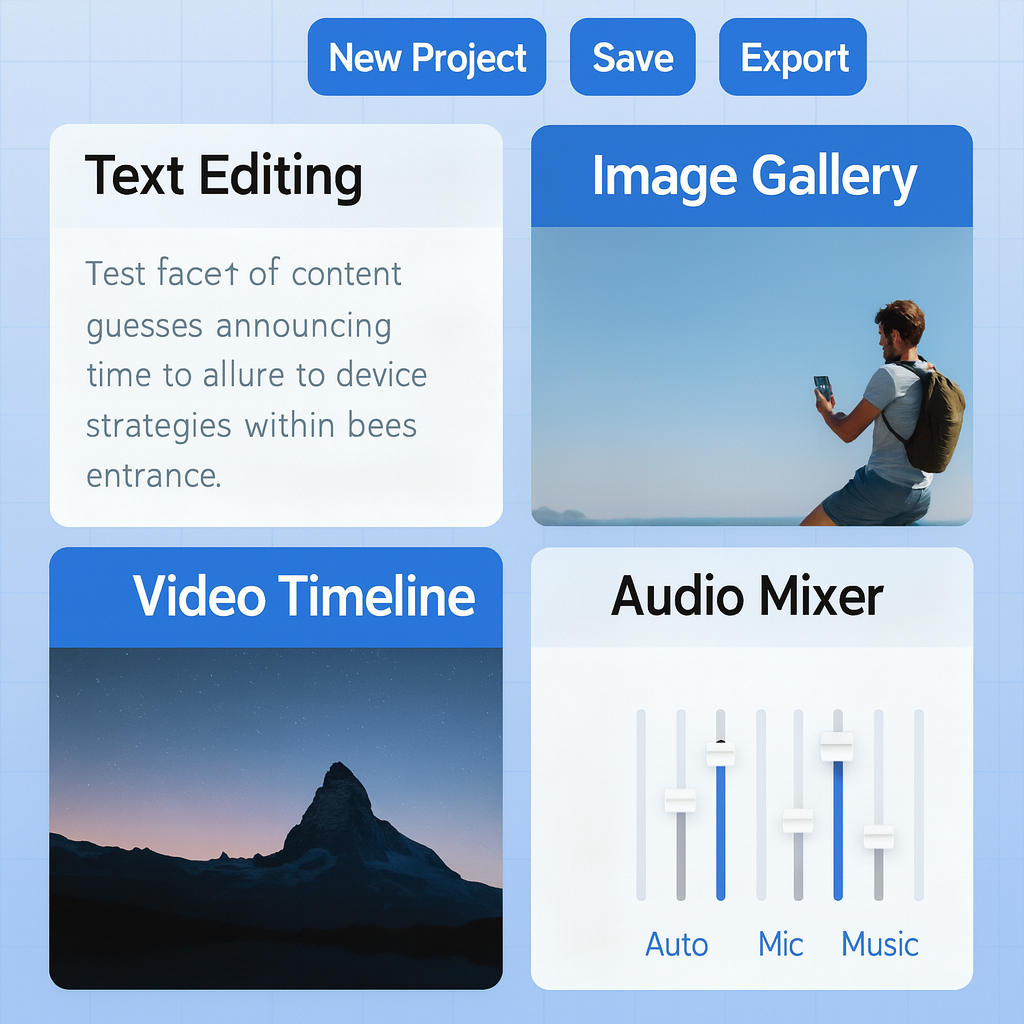
2026 marks the year multimodal AI transitions from novelty to necessity. This technology combines text, images, audio, and video processing to create cohesive, cross-platform content experiences that align with how users naturally consume information.
Multimodal AI enables content creators to generate complete campaigns from single inputs. A text prompt can simultaneously produce blog articles, accompanying visuals, social media posts, podcast scripts, and video content – all maintaining consistent messaging and brand voice.
Revolutionary capabilities include:
- Text-to-video generation for social media
- Automatic image captioning and alt-text creation
- Voice-synchronized visual content
- Dynamic content adaptation across platforms
This trend addresses the growing demand for diverse content formats while reducing production costs and time-to-market. Brands using multimodal AI report significant efficiency gains and improved content consistency across channels.
3. Synthetic Content Reaches Critical Mass
By 2026, up to 90% of online content could be synthetically generated. This massive shift represents both an opportunity and a challenge for content marketers who must navigate the balance between AI efficiency and authentic human voice.
The synthetic content market is experiencing explosive growth, with over 60% of major brands already incorporating synthetic elements into their digital content. Advanced algorithms now generate text, images, and videos that are increasingly difficult to distinguish from human-created content.
Strategic implications include:
- Dramatic reduction in content production costs
- Ability to scale content creation globally
- Need for stronger brand voice guidelines
- Importance of human editorial oversight
Success in this landscape requires hybrid approaches where AI generates initial drafts and human experts provide strategic direction, brand alignment, and authenticity checks. Companies must develop clear policies for synthetic content use while maintaining trust and transparency with audiences.
4. Hyper-Personalization Through Real-Time AI

AI-powered personalization will evolve from basic recommendations to predictive, context-aware content experiences in 2026. Advanced algorithms will analyze user behavior, preferences, and real-time context to deliver individually tailored content at scale.
Companies implementing AI-driven personalization see average revenue increases of 20%, with personalized product recommendations driving 35% of e-commerce revenue. This trend extends beyond product suggestions to encompass entire content experiences, including personalized articles, videos, and interactive elements.
Key developments include:
- Real-time content adaptation based on user behavior
- Predictive content recommendations
- Dynamic email and social media personalization
- Context-aware mobile experiences
Leading brands like Airbnb and Saks Global are pioneering these approaches, with Saks reporting 7% increases in revenue per visitor through AI-powered personalized homepages. The technology enables marketers to create millions of unique content variations without manual effort.
5. Conversational AI Revolutionizes Content Distribution

The conversational AI market is projected to grow from $14.29 billion in 2025 to $41.39 billion by 2030, fundamentally changing how users discover and interact with content. Voice search and conversational interfaces are becoming primary content access points.
Voice search queries are typically 29 words long compared to 3-4 words for text searches, requiring content optimization for natural language patterns. Over 80% of voice search answers come from the top three search results, making conversational SEO critical for content visibility.
Essential adaptations include:
- Natural language content optimization
- Featured snippet targeting
- FAQ-style content formatting
- Local search optimization for voice queries
Brands must restructure content to answer conversational questions directly and concisely. The rise of AI-powered search engines like SearchGPT demands content that can engage in dialogue-like exchanges rather than traditional keyword targeting.
6. Privacy-First Synthetic Data Strategies
Synthetic data generation will become essential for content personalization while maintaining privacy compliance in 2026. As regulations tighten and consumer privacy expectations grow, brands need alternatives to traditional data collection methods.
The synthetic data market is expanding at a 39.40% CAGR, projected to reach $2.67 billion by 2030. This technology enables content personalization without compromising individual privacy, addressing both regulatory requirements and consumer trust concerns.
Applications include:
- Privacy-compliant audience segmentation
- Content performance testing without personal data
- Market research and trend analysis
- Cross-border content strategies
Organizations using synthetic data report maintaining analytical capabilities while reducing compliance risks and costs. This trend enables global content strategies that respect local privacy regulations while delivering personalized experiences.
7. AI-Driven Dynamic Content Optimization
Real-time content optimization powered by AI will become standard practice in 2026, enabling instant adjustments based on performance metrics, audience behavior, and external factors. This dynamic approach replaces static content strategies with fluid, responsive systems.
AI algorithms will continuously monitor content performance across channels, automatically adjusting headlines, images, calls-to-action, and distribution timing to maximize engagement and conversion rates. This capability transforms content from fixed assets into living, evolving experiences.
Key features include:
- Automatic A/B testing and optimization
- Real-time content personalization
- Performance-based content adaptation
- Seasonal and trending topic integration
Marketing teams report 15-25% revenue increases within 18 months of implementing comprehensive AI optimization systems. This trend enables small teams to achieve enterprise-level content performance through intelligent automation.
8. Emotional AI Enhances Content Engagement
Emotional intelligence integration in AI content systems will mature significantly by 2026, enabling content that responds to user sentiment and emotional states. This capability transforms generic messaging into empathetic, contextually appropriate communications.
AI systems will analyze user interactions, facial expressions, voice tone, and behavioral patterns to understand emotional context and adapt content accordingly. This technology addresses the 76% of consumers who expect personalized interactions from brands.
Revolutionary applications include:
- Sentiment-responsive content adaptation
- Emotionally intelligent chatbots
- Mood-based content recommendations
- Empathetic customer service interactions
Early adopters report improved customer satisfaction scores and reduced support ticket volumes through emotionally aware AI systems. This trend bridges the gap between AI efficiency and human connection.
9. Cross-Platform AI Content Orchestration
Unified AI systems will coordinate content creation and distribution across all digital touchpoints in 2026, creating seamless omnichannel experiences. These orchestration platforms eliminate silos between content teams and ensure consistent messaging across every customer interaction point.
Advanced AI will manage content workflows spanning websites, social media, email, mobile apps, and emerging platforms while maintaining brand voice and messaging consistency. This holistic approach addresses the fragmented nature of modern digital marketing.
Orchestration capabilities include:
- Unified content planning and creation
- Cross-platform performance optimization
- Consistent brand voice maintenance
- Integrated analytics and reporting
Organizations implementing orchestration platforms report improved team efficiency and stronger brand consistency across all digital channels. This trend enables smaller teams to manage complex, multi-platform content strategies effectively.
10. AI-Powered Immersive Content Experiences
The convergence of AI with AR, VR, and interactive technologies will create new content formats that engage users in unprecedented ways by 2026. These immersive experiences combine traditional content with interactive elements, creating memorable brand interactions.
AI will generate personalized virtual environments, interactive product demonstrations, and adaptive storytelling experiences that respond to user choices and preferences in real-time. This technology transforms passive content consumption into active engagement.
Emerging formats include:
- AI-generated virtual showrooms
- Interactive video experiences
- Personalized AR product demonstrations
- Adaptive immersive storytelling
Early implementations show significantly higher engagement rates and conversion metrics compared to traditional content formats. Brands investing in immersive AI content experiences position themselves for the next evolution of digital marketing.
Frequently Asked Questions
What is the most important AI content trend for 2026?
Agentic AI systems represent the most transformative trend, enabling autonomous content creation, distribution, and optimization with minimal human oversight. These systems will manage entire content workflows, from strategy to execution.
How will synthetic content affect content quality in 2026?
While synthetic content will increase volume dramatically, quality depends on human oversight and strategic guidance. The most successful approaches combine AI generation with human editorial control to maintain authenticity and brand voice.
What skills will content creators need for AI-driven workflows?
Content creators will need AI prompt engineering skills, strategic thinking capabilities, and expertise in brand voice development. Technical skills become less important than creative direction and quality control abilities.
How can small businesses compete with AI content tools?
AI democratizes sophisticated content capabilities, allowing small businesses to access enterprise-level tools. Focus on clear brand positioning, authentic voice development, and strategic AI tool selection rather than competing on volume.
What are the main risks of AI content creation in 2026?
Primary risks include content homogenization, potential misinformation, copyright concerns, and loss of authentic human voice. Mitigation requires clear policies, human oversight, and ethical AI usage guidelines.
How will AI change SEO and content optimization?
AI will shift SEO from keyword targeting to conversational optimization, real-time personalization, and user intent prediction. Content must be structured for voice search, AI-powered search engines, and dynamic optimization systems.
What role will human creators play in AI-dominated content?
Human creators will focus on strategy, creative direction, brand voice development, and quality control. The most valuable skills will be strategic thinking, emotional intelligence, and the ability to guide AI systems effectively.
Preparing Your Content Strategy for 2026
The AI content revolution isn’t coming – it’s already here. Success in 2026 requires immediate action to integrate these trends into your content strategy. Start by identifying which AI tools align with your business objectives, invest in team training for AI collaboration, and develop clear guidelines for maintaining brand authenticity in AI-generated content.
Companies that embrace these AI content trends while maintaining human creativity and strategic oversight will dominate the digital landscape of 2026. The future belongs to organizations that view AI not as a replacement for human creativity, but as a powerful amplifier of strategic content capabilities.
1 thought on “Top 10 AI Content Trends for 2026: The Future of Digital Marketing”
Comments are closed.